
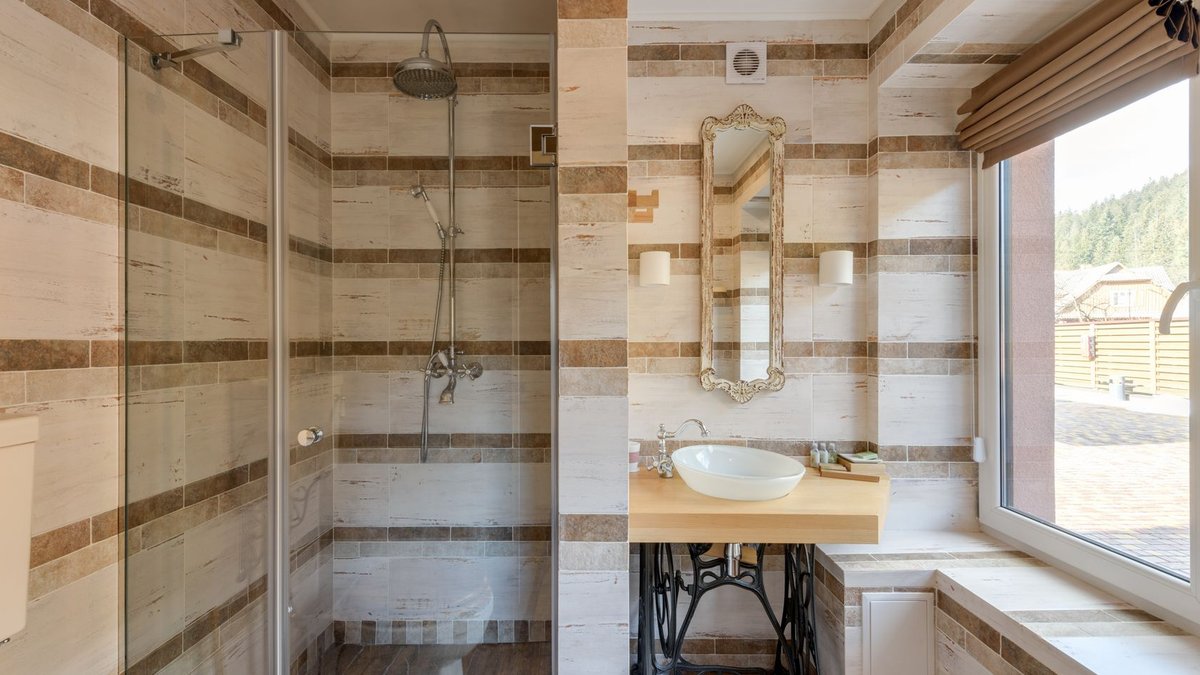
Contemporary bathroom design is moving beyond purely decorative decisions toward functional improvements that emphasize everyday comfort and usability. Findings from the 2026 U.S. Houzz Bathroom Trends Study indicate that homeowners are redefining a spa-like atmosphere by prioritizing features that aid personal care routines rather than solely visual impact. For many residents, the ability to upgrade routine moments with practical luxuries now represents the highest form of indulgence.
Shower Enlargement Drives Renovations
Expanding shower spaces emerged as the most rapidly growing major alteration this year, with just under half of those renovating choosing to increase their shower dimensions. This shift reflects a rise of 10 percent compared with the previous year and shows a pronounced emphasis on roominess and comfort. The study notes that roomy showers, well-organized storage, layered illumination, and inviting bathtubs collectively support a relaxing environment, and owners say they spend more time in these areas after completing such lifestyle-enhancing upgrades.
While the overwhelming majority identify cleanliness as the bathroom’s most Zen attribute, the report notes that spacious showers, organized storage, layered lighting, and comfortable bathtubs contribute to a sense of relaxation. Upgrades to showers and faucets experienced a notable surge, illustrating that practical performance is steering current preferences.
Wet Rooms and Accessibility
Wet-room concepts now appear in 18 percent of bathroom remodels, an increase from 13 percent a few years earlier. An open-plan layout makes efficient use of compact or irregularly shaped spaces, allowing homeowners to maximize every square foot to create a luxurious retreat. The study points to universal design and accessibility as the primary motivations for selecting a wet room, with ease of cleaning also cited as a key benefit.
Consequently, vanities are being built larger, and integrated elements such as power outlets, hair-tool compartments, and drawer organizers are gaining popularity. Soft-close mechanisms for both drawers and doors are in high demand. In addition to bigger vanities, double-sink configurations have risen by 17 percent over the prior year, reflecting the growing importance of storage solutions within bathroom design.
Personalized Aesthetics and Patterns
Bathrooms are increasingly reflecting personal style, as owners make deliberate design choices to achieve a warm, inviting look. Transitional design leads the popularity rankings, followed closely by contemporary, modern, traditional, and mid-century modern styles. Wood-toned vanities rank highest among finishes, alongside white and blue options, while the majority of homeowners opt for white or off-white countertop surfaces.
The study reveals that just over one-third of respondents added an accent wall, a strategy that creates a strong focal point, especially behind a bathtub. Notably, pattern rather than hue is driving the accent-wall trend, with designs such as herringbone, checkerboard, and geometric layouts providing visual interest beyond conventional color choices. Textured surfaces are also on the rise, with ribbed and fluted tiles gaining traction.


Leave a Reply