
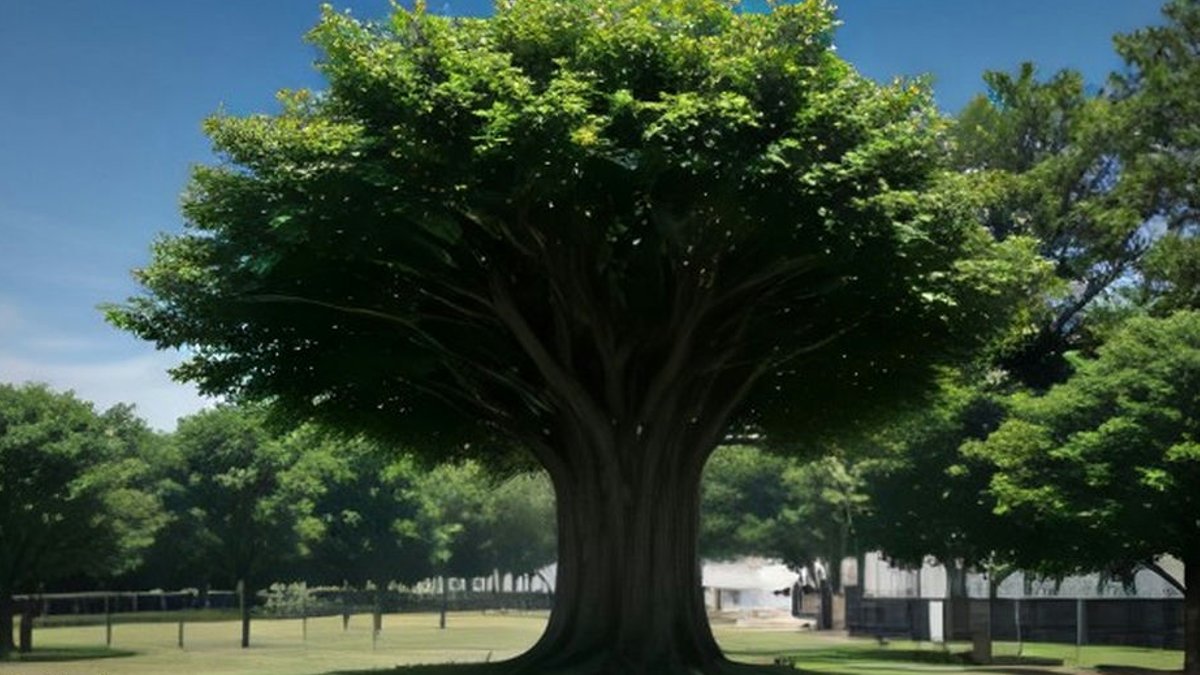
The environment sector, valued at $99 billion, comprises both small entrepreneurial firms and nationally-operating companies, employing scientists, managers, developers, manufacturers, architects, botanists, arborists, and field technicians.
Roles Beyond the Garden Crew
Many people assume the term “environment professional” describes only crew members who install and maintain plantings, but the field includes a wide range of positions from research to executive leadership.
Entry-level workers often begin with hands-on tasks, learning fundamentals of plant care while supported by modern equipment and software.
As experience grows, employees may transition to supervising crews, managing budgets, or directing design projects, expanding their responsibilities beyond physical labor.
Earnings and Advancement
Compensation in the market can exceed $100,000 annually for managers, executives, and sales staff, reflecting the specialized knowledge and skills they provide.
Compared with other construction trades, the environment field has shown quicker adoption of digital tools, echoing similar shifts seen in precision agriculture.
Career ladders exist for both non-degree workers who demonstrate strong work ethic and college graduates who enter directly into supervisory roles.
Advancement is tied to performance and mastery of duties, with many rising to senior management after years of demonstrated competence.
Modern practices rely on irrigation management software, GPS-based equipment tracking, tree health sonograms, and computer-aided design programs to improve efficiency and accuracy.
Education and Skill Sets
Firms require expertise in business, chemistry, biology, horticulture, arboriculture, and finance, making relevant degrees valuable for entry and progression.
Graduates report finding employment without difficulty and receiving compensation packages that match industry standards.
Training programs and apprenticeships also provide pathways for individuals without formal degrees to acquire the necessary technical know-how.
Impact on Communities and Environment
The work of these workers supports neighborhoods by creating safe, attractive streetscapes and recreational spaces such as playgrounds and sports fields.
Healthy plantings contribute to air purification, noise reduction, and storm-water management, delivering tangible environmental benefits.
By maintaining lawns and trees, professionals help sustain ecosystems that provide oxygen and reduce runoff, highlighting their role as environmental stewards.
Workforce Scale
Approximately one million men and women make their careers in this field, finding opportunities through specialized schools or on-the-job training.
Industry associations continue to promote career awareness, encouraging new entrants to explore the diverse possibilities the sector offers.


Leave a Reply