
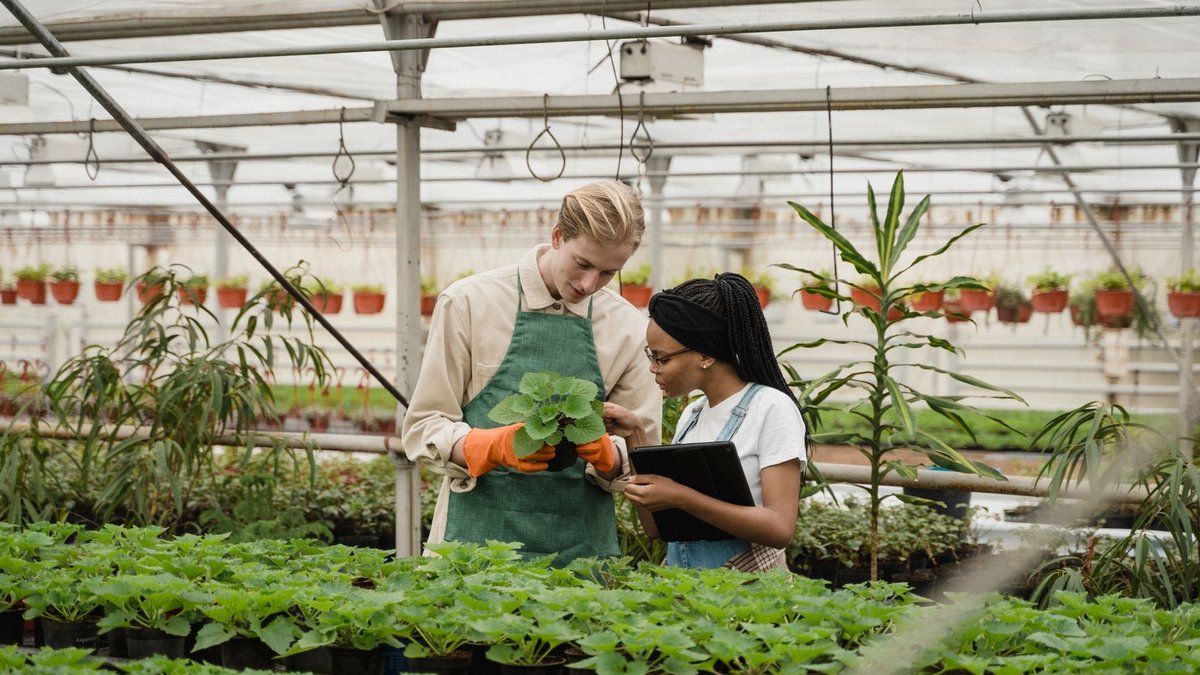
The outdoor sector provides unexpected career paths for graduates with training in science, technology, engineering, and math, or STEAM, which includes the arts. While these fields dominate contemporary education, the industry relies equally on technical and analytical skills, though these applications are not always obvious. Environmental science serves as one clear example. As sustainability and green initiatives expand, the sector requires specialists who understand plant health, soil composition, and vegetation trends. Even routine tasks—such as measuring land, evaluating tree conditions, or calculating material requirements for a design—demand precise calculations and technical expertise. This work extends beyond theory into practical applications with direct effects on both urban and natural environments.
Green roof design represents one of the fastest-growing specializations for STEM students. Although North America trails Europe in adoption, demand is increasing as buildings incorporate energy-efficient, sustainable features. Designing these systems involves structural analysis, climate data assessment, and plant selection, all of which draw on engineering, mathematics, and environmental science principles. The role extends beyond architects to technicians, consultants, and installers, all of whom require a strong technical foundation to ensure designs meet ecological and structural requirements.
For those who prefer fieldwork, arboriculture, the science of tree care, offers another high-demand career option. Arborists diagnose diseases, assess structural risks, and perform removals or pruning. Their work ranges from emergency responses, such as addressing storm-damaged trees, to long-term maintenance, including specialized roles in risk assessment or tree bracing.
Horticulture presents even broader opportunities. Beyond traditional gardening, professionals in this field design ecological environments, manage urban forests, or specialize in turf science, overseeing sports fields, golf courses, and vineyards. Viticulture, the study of grape cultivation, combines biology, chemistry, and engineering, while turf scientists apply agronomy and data analysis to optimize playing surfaces. Research roles also exist, focusing on plant breeding, drought resistance, and yield improvement, areas where STEM-trained graduates can directly contribute to agricultural innovation.
Related Post: Koi Fish Fascination Launches Environment Design Career
The most visually recognizable outcomes of environment work, such as Central Park and Lincoln Park, result from environment architecture, a discipline that merges STEM with artistic design. Professionals in this field select durable, climate-adapted plants, calculate long-term maintenance costs, and balance aesthetics with functionality. The scope extends beyond parks to commercial properties, residential developments, and interior environments in hospitals or malls, all requiring expertise in plant science, structural integration, and user experience.
These careers share a reliance on measurable, technical skills, whether calculating load-bearing capacities for green roofs, analyzing soil composition for arboriculture, or modeling water drainage in urban designs. The industry addresses real-world challenges through data-driven solutions, not just aesthetics.
However, visibility remains a challenge. While STEM careers in technology or engineering dominate career fairs, environment roles receive less attention. Many students assume these jobs involve only manual labor, overlooking the scientific and technical components. This gap creates opportunities for those who recognize the overlap, particularly as cities prioritize green infrastructure to address climate change.


Leave a Reply