
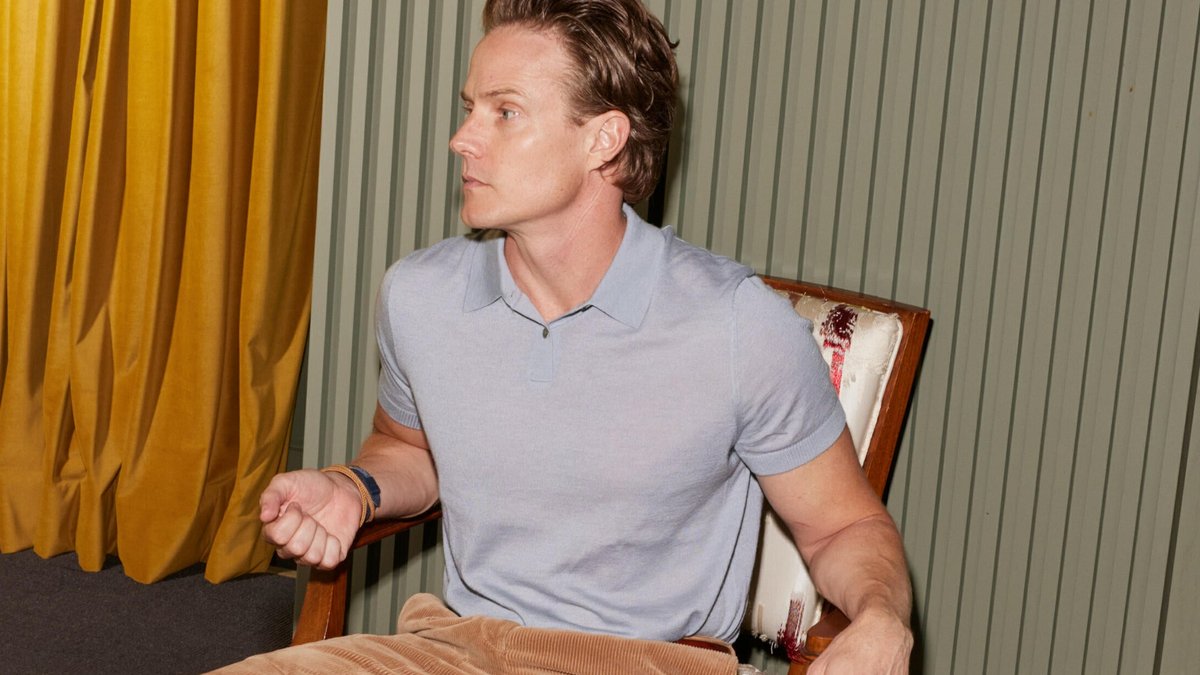
Ross Cassidy, a designer known for his work with celebrities like Sia and Amber Valletta, describes himself as a contrarian by nature. He avoids following trends, preferring to forge his own path in the design world. This mindset has led him to prioritize projects that genuinely excite him, keeping his firm small and focused on personal expression rather than expansion.
From South Africa to the Spotlight
Cassidy’s journey began in Pretoria, South Africa, where he felt like an outsider at his all-boys high school, coincidentally the same one Elon Musk attended years earlier. Bullied by classmates, he longed for a more cultured environment, which drove him to move to London, then New York and Los Angeles. There, he pursued modeling and acting before gaining wider recognition on Bravo’s Million Dollar Decorators, alongside his then-partner Jeffrey Alan Marks.
Since then, Cassidy has designed product lines for CB2, hosted a web series on flea market treasure hunting for Architectural Digest, and worked on residential projects for high-profile clients like actor Glen Powell. His approach to design remains deeply personal, reflecting his belief in doing things his own way.
Authenticity Over Taste
Cassidy prioritizes authenticity over adhering to industry taste, a lesson he learned while designing a home for Sia. Initially, he struggled as she repeatedly rejected his choices, which he later realized were based on industry-wide taste rather than her unique personality. “What she [was] looking for is authenticity,” he explains. “She was trying to build the environment around who she is, not for public consumption.” This revelation became a turning point in his career, shaping his focus on clients’ personal expression.
He now adopts idiosyncrasy, valuing individuality over conventional taste. “It’s so liberating not to have to be tasteful,” he says. “Ultimately, we’re making something that’s far more interesting, which is about someone’s personal expression—who they are and what they want to say, not what they want their friends to think of them.”
The Future of Design: Human Connection
Cassidy dismisses the notion that AI can’t replicate design skills, arguing it’s already superior to many decorators unless they possess a truly unique vision. “It’s already better than most decorators,” he notes, citing designers like Pierre Yovanovitch as exceptions. He believes the value of human designers lies in personal relationships, practical execution, and nurturing humanity in the creative process.
“So show up and be the best version of yourself: Be on time, deliver on budget, be honest, and charge the right amount of money,” Cassidy advises. His success stems from challenging conventions, prioritizing authenticity, and focusing on the human element in design. Meanwhile, in the broader design world, industry leaders like Ethan Allen and Wayfair are making waves, with Wayfair planning to triple its store count, and 1stDibs handling dealer drama. Form Portfolios founder Mark Masiello also joins the conversation, discussing his company’s innovative business model.


Leave a Reply