
Most lawns demand constant mowing, fertilizing, and watering to stay green. They also offer little to pollinators, which face shrinking habitats and food shortages. Centipedegrass, a warm-season turf, may offer a solution.
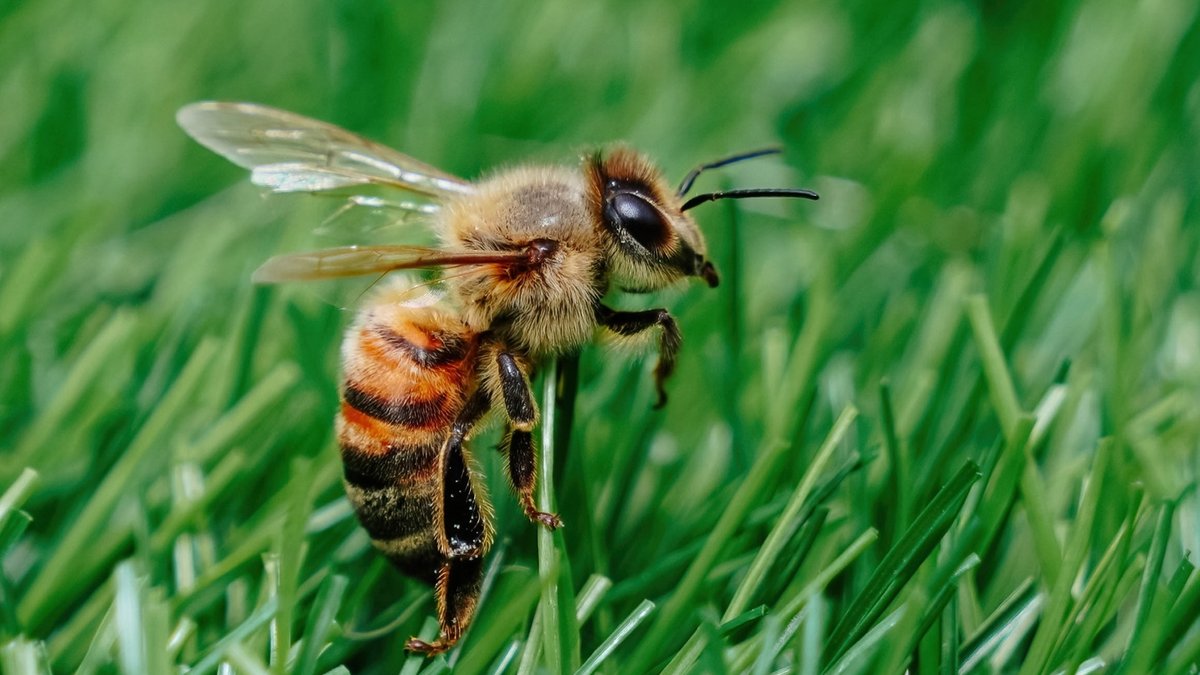
Scientists at the University of Georgia discovered that centipedegrass blooms from July through September. It produces small purple flower spikes that provide pollen when other sources are scarce. A 2026 study tracked over 150 bees from 28 species foraging on the grass, even when other flowering plants were nearby.
The research showed that centipedegrass pollen supports bees in both adult and larval stages. Its quality matched that of butterfly bush, a common pollinator favorite. Bumblebees and native bees collected pollen from the grass, even when dicot plants like butterfly bush were available.
Shimat Joseph, an associate professor at the university and co-author of the study, explained that urbanization has reduced nesting and food resources for bees. He stated that any additional food source helps these struggling populations.
Hoverflies also benefit from the grass. While adults pollinate as they feed, their larvae prey on garden pests like aphids and mealybugs. The grass doesn’t produce nectar for adult butterflies, but it serves as a host plant for the Carolina Satyr butterfly, feeding caterpillars.
Related: Ryobi vs Ridgid Impact Driver Review: Has the DIY Brand Finally Caught Up?
Centipedegrass thrives in USDA hardiness zones 7 through 10. It prefers acidic, well-drained soils and tolerates moderate shade but grows best in full sun. Unlike other turfgrasses, it requires minimal fertilizer—one slow-release application in April is often sufficient. Overfertilizing can damage the grass, so soil testing is recommended before adding nutrients.
While the grass can survive brief dry spells, consistent watering keeps it green. Its low-maintenance nature makes it an appealing option for homeowners who want a functional lawn without the usual upkeep.
The grass’s light green color and coarse texture won’t match the manicured look of traditional turf. Yet its ecological advantages may matter more to some homeowners. As bee populations decline, small changes in landscaping could help.
For now, centipedegrass remains a niche choice. Its potential to support pollinators through late summer may change how people view their lawns.


Leave a Reply