
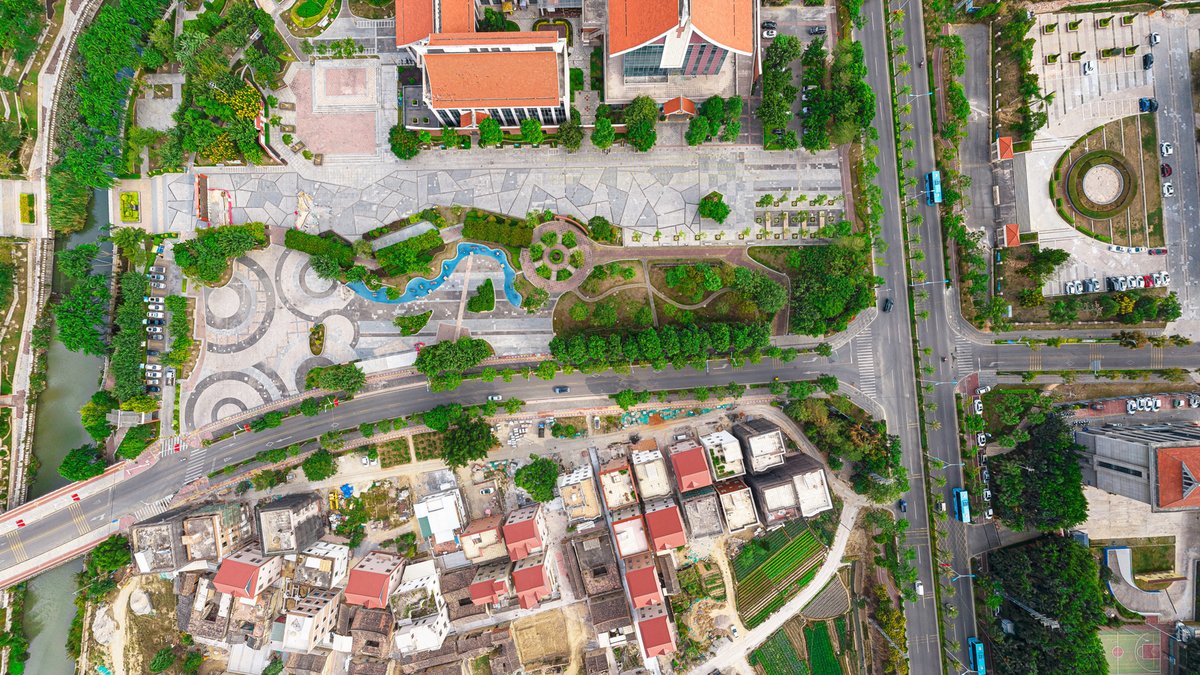
The landscaping sector encompasses diverse roles that preserve and improve green spaces, from city parks to private yards. Professionals in this field do more than create visual appeal—they contribute to ecological health by reducing air pollution, lowering noise, and preventing soil erosion through strategic plant selection. Their efforts also enhance community well-being by providing spaces that support mental health and recreational activities.
Beyond basic lawn care, the industry includes specialists in design, urban planning, and allergy-resistant plant choices for environments like hospitals. Others concentrate on sustainable methods, such as integrated pest control and soil conservation, to maintain thriving ecosystems. Seasonal projects, including holiday displays, haunted house setups, and winter lighting installations, further expand the sector’s reach.
A successful landscaping project requires collaboration across multiple roles. Administrative teams handle budgets and contracts, while designers develop layouts and logistics coordinators manage transportation and installation. Without these supporting functions, public parks, entertainment venues, and residential areas would fail to deliver the lush environments residents depend on for relaxation and environmental benefits.
Careers in landscaping offer varied entry points. Some professionals begin with hands-on maintenance, while others pursue formal training in horticulture, design, or environmental science. The field accommodates both technical and strategic roles, from groundskeeping to developing policies for sustainable land use. Unlike industries tied to a single product, landscaping adapts to regional conditions, whether restoring degraded urban areas or designing water-efficient environments.
Specialized Roles in Landscaping Maintenance and Design
A green wall in a hospital requires ongoing care, including regular upkeep to ensure its functionality. Specialists must also identify and exclude plants that could trigger allergies, preventing them from being introduced into indoor spaces. Designers handle the layout and technical systems, such as watering mechanisms, while logistics teams coordinate transport and installation.
Beyond public parks, maintenance extends to themed attractions where foliage must be preserved for visual appeal. Nursery staff cultivate seedlings for future seasonal displays, ensuring continuity in decorative arrangements. Wedding venues also rely on landscapers to maintain lively gardens, as unattended plants can diminish aesthetic value over time.


Leave a Reply