
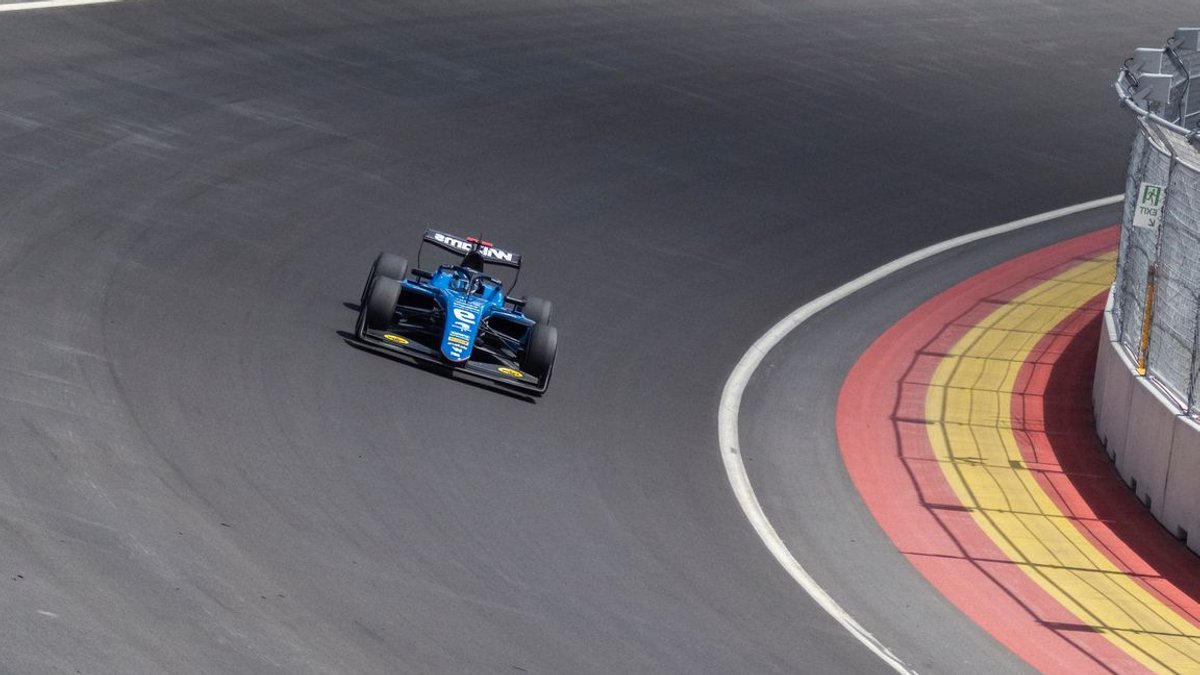
The new Madring circuit in Spain’s capital is set to host the 2026 Spanish Grand Prix, marking the debut of a street layout that its designer says defies typical narrow‑track expectations. Zaffelli brings to the project a portfolio of more than two hundred racetracks designed worldwide, reflecting his 25‑year tenure in the sport.
Design challenges tackled
Italian architect Jarno Zaffelli, founder of the multinational firm Dromo, spent three years shaping the venue. The plan had to weave through IFEMA, Madrid’s largest convention center, while also using public streets in the Valdebebas district near the city’s airport. Valdebebas, the fast‑growing district surrounding the airport, offered a blank canvas that allowed the circuit to weave through modern infrastructure while staying clear of dense historic neighborhoods.
To limit disruption, his team cut the amount of public road used by more than half, trimming the original proposal from roughly three kilometres of streets to just 1.5 kilometres. That reduction helped avoid a maze of permits from dozens of agencies, from transport officials to environmental regulators.
The final layout stretches 5.4 km and contains 22 turns. The most talked‑about is “La Monumental,” a banked corner with a 24 percent gradient and a 10‑metre elevation change, making it the second‑steepest turn on the current Formula 1 calendar.
Construction began in April 2025 and lasted 17 months, moving about one million square metres of earth. The project’s scale required careful coordination with the nearby airport to keep flight paths clear while the grandstands rose beside the banked turn. Coordinating with roughly fifty distinct agencies, from transport to environmental bodies, was essential to keep the airport’s flight paths uninterrupted while the grandstands rose.
Key features of the layout
Drivers will see speeds over 300 km/h as they work through the circuit’s flowing sections. Zaffelli aimed for a “dramatic and difficult” experience, pairing the steep banking with preceding corners that change elevation, hoping to give a sensation of speed that feels even faster.
Read Also: Ed Sheeran’s Global Property Holdings Revealed
Two massive grandstands flank La Monumental, creating a stadium‑like atmosphere. The proximity of spectator zones to the racing line was intentional; the designer believes fans should feel the cars’ vibrations as much as drivers feel the crowd’s presence.
Mechanics will likely adjust ride height and install stronger springs to cope with the high G‑forces generated by the steep banking. The setup will differ from typical street circuits, where lower downforce is often preferred.
One flat paragraph: The venue’s paddock occupies the existing IFEMA conference centre on the southern side of the layout, providing space for team garages, media zones, and hospitality suites.
Reactions from the racing community
Veteran circuit designer Robert Barnard, creator of the Adelaide Street Circuit, voiced concerns about the sharp, blind corners. He warned that limited sight lines could make drivers hesitant to attack at full speed.
Barnard noted that a recent Formula 3 test at the venue produced 19 red‑flag incidents, suggesting the new turns may be tricky for even seasoned drivers. “These drivers are brave, but they’re not stupid,” he said.
Conversely, long‑time analyst David Hobbs highlighted positive feedback from the same Formula 3 participants. He reminded listeners that junior series often see more stoppages than top‑tier races and expects the Grand Prix to be “electric” regardless of the outcome.
Read Also: Alix Earle Buys New Home
Hobbs added that city‑center races tend to attract a broader audience, bringing the sport closer to everyday people and potentially expanding the fan base.
From a practical standpoint, the circuit’s design could set a precedent for future urban venues. By reducing reliance on public roads and concentrating spectator areas near high‑impact sections, it may demonstrate a model that balances excitement with community impact.
What the debut could mean for fans
If the venue delivers the promised “unique feeling”, it could shift perceptions that street circuits are inherently dull. Spectators might experience a more immersive race, feeling the cars’ vibrations through the grandstands and hearing the roar echo off the surrounding architecture.
For local residents, the shortened public‑road segment means fewer days of traffic rerouting and noise, potentially easing the typical opposition to urban races.
Zaffelli plans to attend the event after a brief stop in Kuala Lumpur, hoping the inaugural weekend proves his vision viable. “I hope it gives the drivers and fans a unique feeling,” he said, adding that a successful launch would show it’s possible to build a street venue that isn’t boring.
As the weekend unfolds, the motorsport world will watch to see whether the combination of steep banking, close‑quarter grandstands, and a compact urban layout can produce the overtaking and excitement that have long eluded many city circuits.


Leave a Reply