
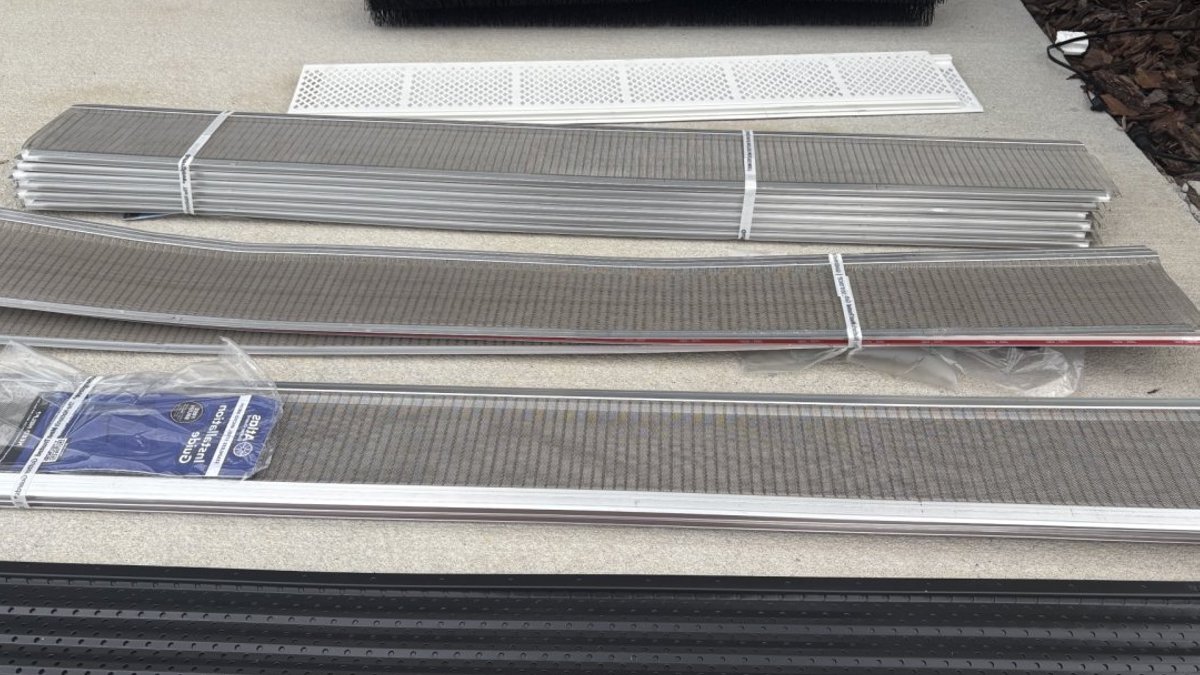
Without proper protection, pine needles clog gutters far more effectively than standard debris guards can prevent. To address this issue, eight products were evaluated over an entire shedding season to identify which could effectively block the thin, flexible needles that evade most systems. The findings demonstrated that micro-mesh designs and bristle-based filters, when combined with durable materials such as stainless steel or aluminum, delivered the best results.
Unlike standard gutter guards, which are primarily designed to stop leaves and twigs, pine needles—being thin, lightweight, and slippery—slip through most systems entirely. Once inside, they create dense mats that trap water, leading to roof rot, foundation damage, and ice dams in colder climates.
The Raptor Stainless Steel Micro-Mesh Gutter Guard performed best overall, featuring a V-Bend design that prevented sagging under debris loads. Its stainless steel mesh kept out even the thinnest needles, preventing them from slipping into the gutter and forming clogs. The mesh also caught fine shingle grit and other small debris while allowing water to flow smoothly into the gutter.
Installation required aviation snips to cut the 4-foot segments, but these remained stable even after prolonged exposure to wind and rain. Cleaning was simple, with a garden hose or leaf blower effectively removing accumulated debris without damaging the mesh. The guard also offered a dual-mount option, allowing installation either under shingles or directly on the gutter, which added flexibility for different roof types.
Related Post: DIY Mason Jar Lamps Offer Affordable Table Lighting
For homeowners focused on cost, the Amerimax Snap-In Filter Gutter Guard provided a PVC-based solution at a lower price. Its snap-in design eliminated the need for tools, though testing showed it required more frequent cleaning than micro-mesh options to maintain effectiveness. The LeafTek Heavy-Duty Aluminum Gutter Guard offered a reinforced alternative, with aluminum construction resisting warping under heavy loads. Meanwhile, the GutterBrush Simple Gutter Guard stood out for its ease of installation, using galvanized steel bristles to deflect needles before they entered the gutter. Installation required no cutting or tools, but its 18-inch segments created more seams, which could become weak points for water leakage if not properly sealed.
A stainless steel micro-mesh alternative, the Gutterglove, was noted for its wider coverage options, accommodating gutters up to 7.25 inches wide. This made it suitable for larger gutters or commercial properties, though its higher price and stiffer material made installation slightly more labor-intensive than the Raptor. The comparison highlighted that while micro-mesh guards excelled at blocking fine debris, they demanded precise cutting during installation. Aluminum options, such as LeafTek, provided longer durability but were heavier and harder to handle on steep roofs. Bristle-based systems, like GutterBrush, prevented clogs but needed more frequent maintenance to address bristle wear.
Testing revealed that polypropylene bristles degraded faster under UV exposure, while galvanized steel wire held up better over time. The Atlas Stainless Steel Gutter Guard, similar in material to the Raptor, included reinforced edges to prevent tearing, a valuable feature for homes with overhanging branches or high wind exposure. No product eliminated the need for annual inspections, as debris buildup behind guards could still occur if water flow was restricted.


Leave a Reply